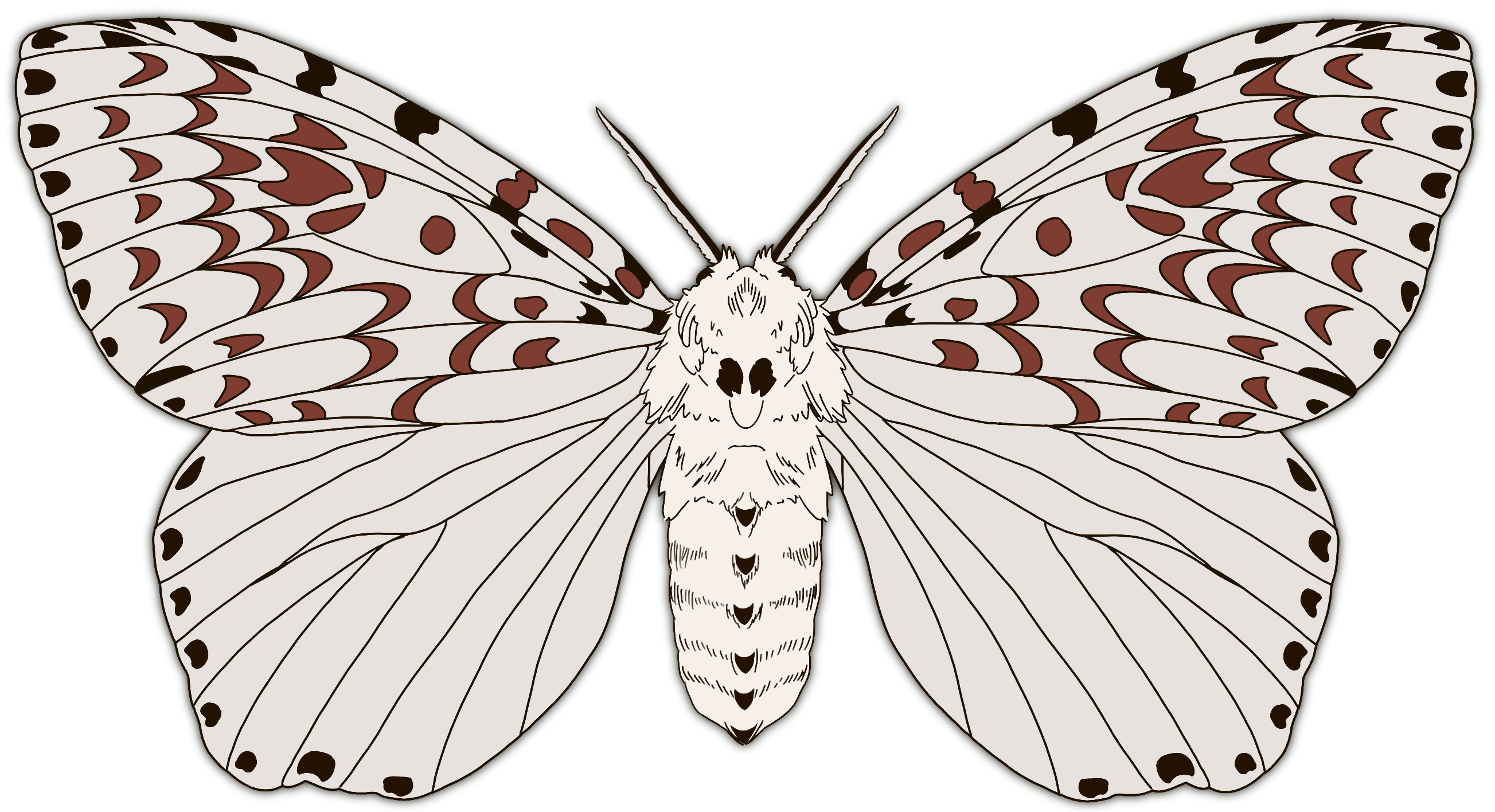
Pollination is a crucial ecosystem interaction, supported by nocturnal species. Moths have a complementary role to diurnal pollinators, providing unique and complex pollen transport links in plant–pollinator networks. Despite this, nocturnal pollination remains strikingly understudied; there are few existing pollination networks for Hong Kong or China. Pollination networks are often constructed through real-time observations of flower visitors. However, studies frequently omit moths because of artificial light required to see such interactions introduces bias. In the tropics, high plant diversity and vertical species distribution within tree canopies also create difficult conditions for traditional floral-visitation observations. The alternative approach- swabbing insect proboscises for pollen identification via light microscopy- requires time, identification skills, and is limited to the genus or family level. These pitfalls can be overcome with DNA metabarcoding!
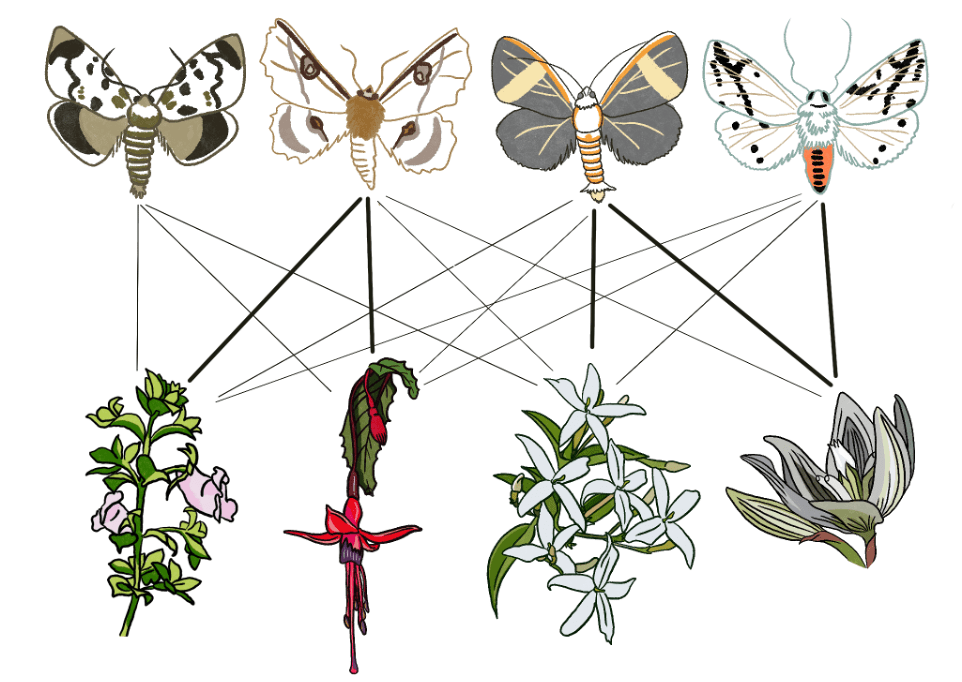
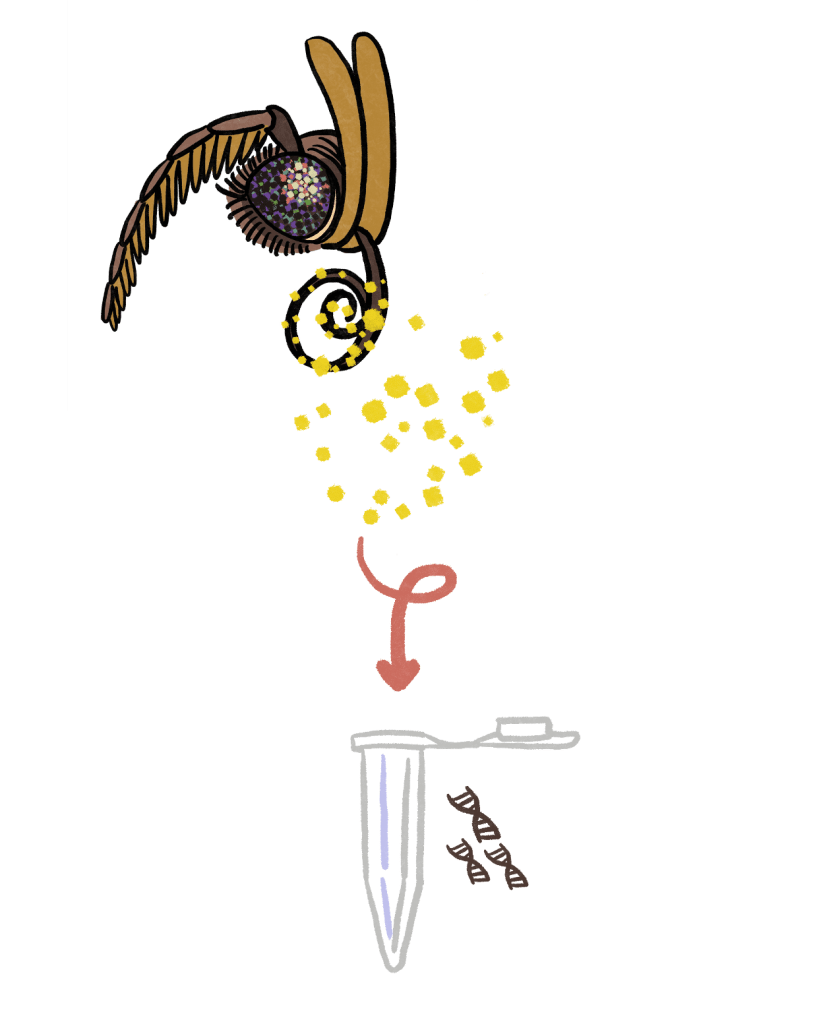
DNA metabarcoding is capable of characterizing individual plant species within mixed pollen samples. Using eDNA could reveal previously unknown linkages in pollination networks: rare, nocturnal, and canopy interactions.

Field work will begin in spring 2024.
 Victoria E. Amaral